IPI at 75: Journalism on the Frontlines of Democracy

#IPIWOCo25 Defending the future of free media/Oslobođenje

Founded in 1950, in the aftermath of World War II, IPI was born from the belief that free and reliable information contributes to peace and security. Seventy-five years later, those founding values are more urgent than ever.
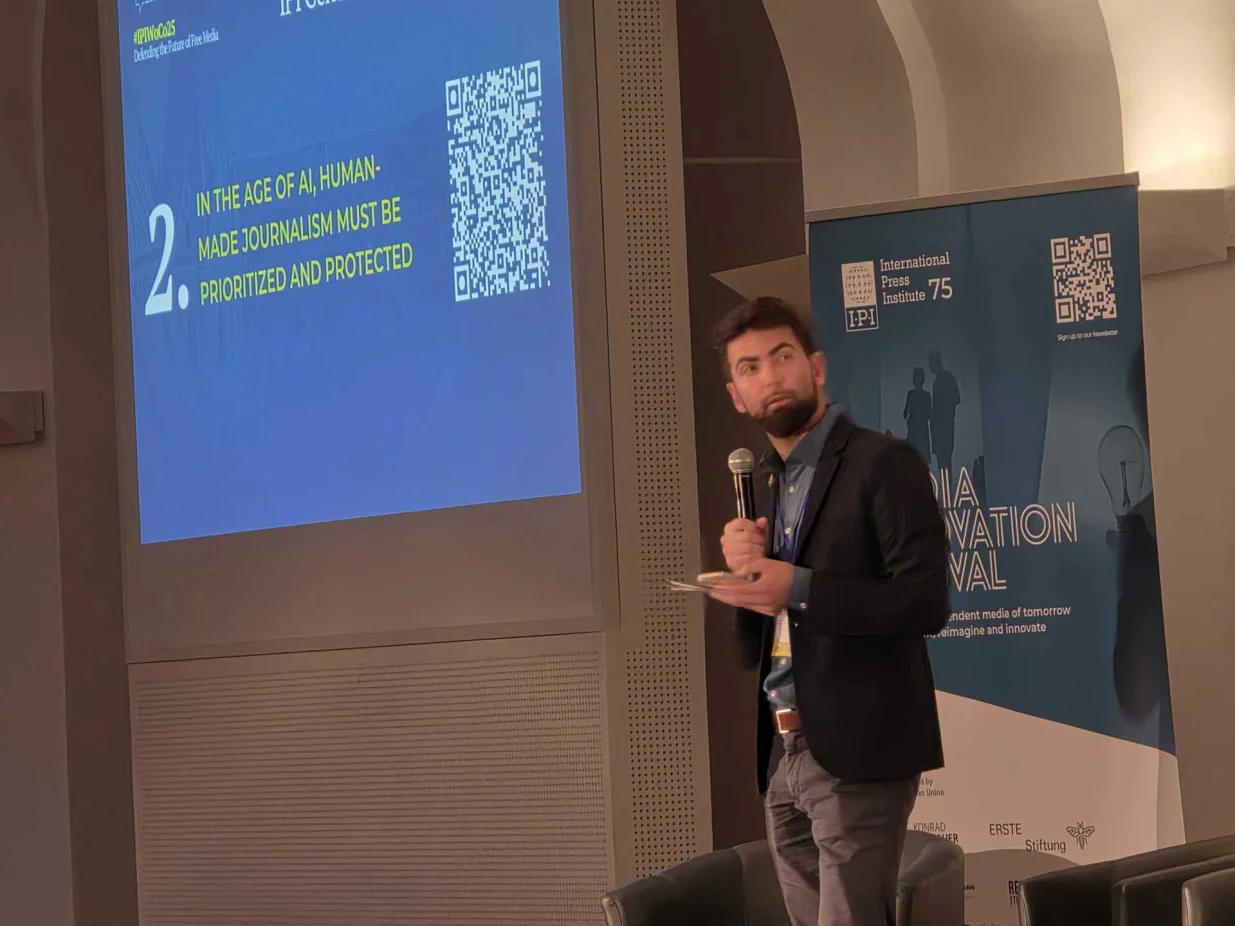
Scott Griffen - #IPIWOCo25 Defending the future of free media/Oslobođenje
“Authoritarianism is growing stronger, and attacks on journalists are becoming more open. Our global network must again stand ready to offer solidarity,” Scott Griffen, IPI Executive Director, told Oslobođenje.
A Global Network of Courage and Collaboration
What makes IPI different, says Lydia Emmanouilidou from Solomon Greece, is that it connects “practitioners, not just institutions — people who share the values of independence and courage.”
IPI’s network is described as living solidarity: a system through which journalists from crisis-stricken regions can learn from each other, find support, and build collective resilience.
Support Beyond Advocacy
For Tony Rigopoulos, political editor from newsbomb.gr, IPI’s importance is deeply personal.
“When my newsroom faced pressure from the Greek government, IPI reached out before I even became a member. Their solidarity gave us strength to keep going when everything seemed to collapse.”
That experience echoes throughout the Western Balkans, where political interference, financial fragility, and the threat of SLAPP lawsuits continue to endanger independent reporting. IPI’s programmes — from the Media Freedom Rapid Response (MFRR) initiative to Media Innovation Europe — provide both advocacy and hands-on support: legal aid, digital-security training, and emergency relocation for threatened journalists.
New Journalism, New Tools
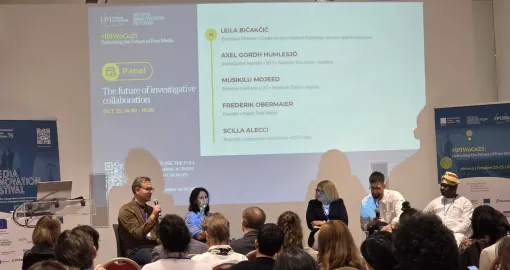
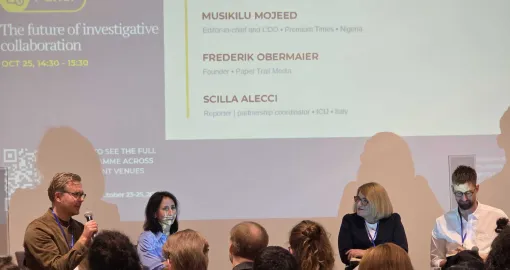
Leila Bičakčić, Executive Director of the Center for Investigative Reporting (CIN Sarajevo), highlights the dual need to preserve standards while embracing change.
“We must adapt to new realities — to digital threats, polarization, and the rise of authoritarianism. Journalism has to learn to operate within the new order, using new tools while protecting professional integrity.”
Bičakčić notes that collaboration and partnerships are becoming essential survival strategies for small media.
“Local outlets must be aware of trends, learn from others, and extend their distribution networks. We’re too small to compete with global players, but we are crucial for explaining local contexts — and that is our strength.”
The Accelerator and the Future
Through the Transition Accelerator programme, IPI helps outlets move from survival to sustainability. Oslobođenje was a proud winner of the grant in 2024.
“It’s not only about funding,” says Emmanouilidou. “It’s about confidence — building audiences, testing membership models, hosting community events, and deepening trust.”
That human-centered approach mirrors the future of journalism, which will depend on transparency, ethics, and public engagement.
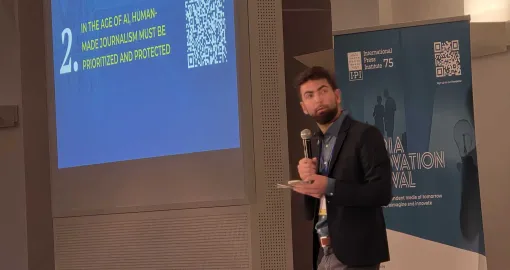
“AI, sustainable business models, and audience trust will define post-2025 journalism,” Emmanouilidou adds. “The challenge is to preserve the human value of news in a digital age.”
Rigopoulos agrees: “Our fight isn’t only to survive but to redefine journalism — to integrate technology without losing integrity.”
The Western Balkans Perspective
Griffen points to specific regional concerns:
“Media freedom in the Western Balkans faces political interference, verbal attacks, and restrictive legislation — especially in Bosnia and Herzegovina’s Republika Srpska. But we also see resilience — and that’s where hope lies.”
He encourages outlets to join IPI’s programmes such as IJ4EU and Media Innovation Europe, which support cross-border investigations and newsroom transformation.
The Takeaway
From Vienna to Sarajevo, the message resonates clearly: journalism’s survival depends on collaboration, courage, and adaptability.
As Leila Bičakčić sums up:
“Adapt, adapt, adapt. That’s the only way forward for local media — to stay relevant, credible, and connected.”